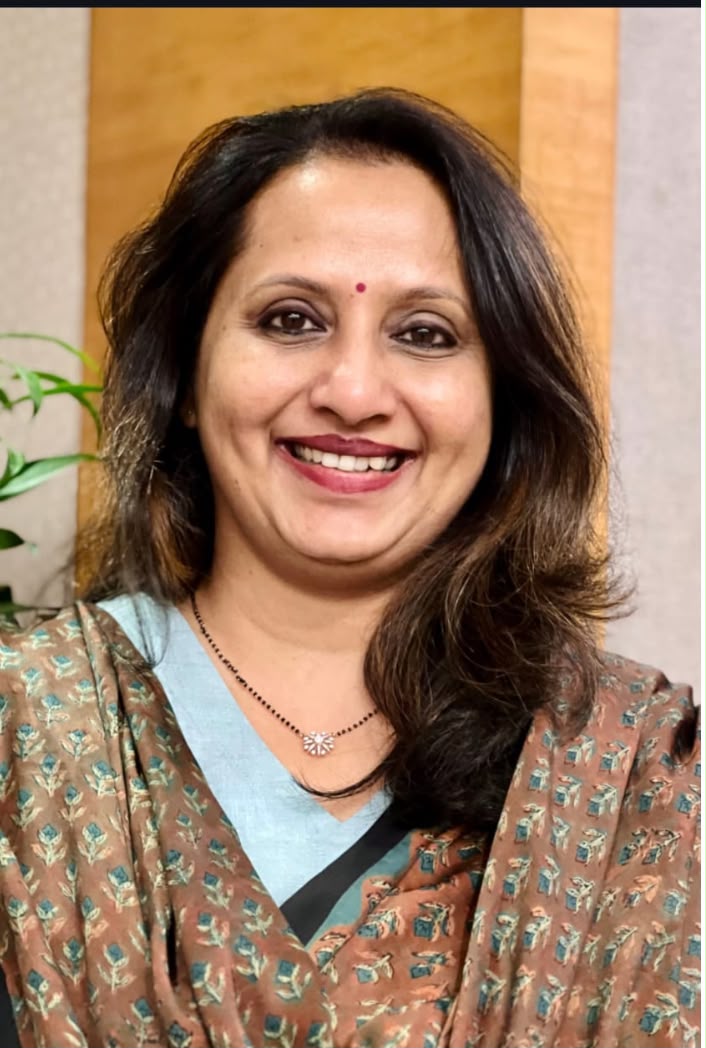
Speech & Language Pathology
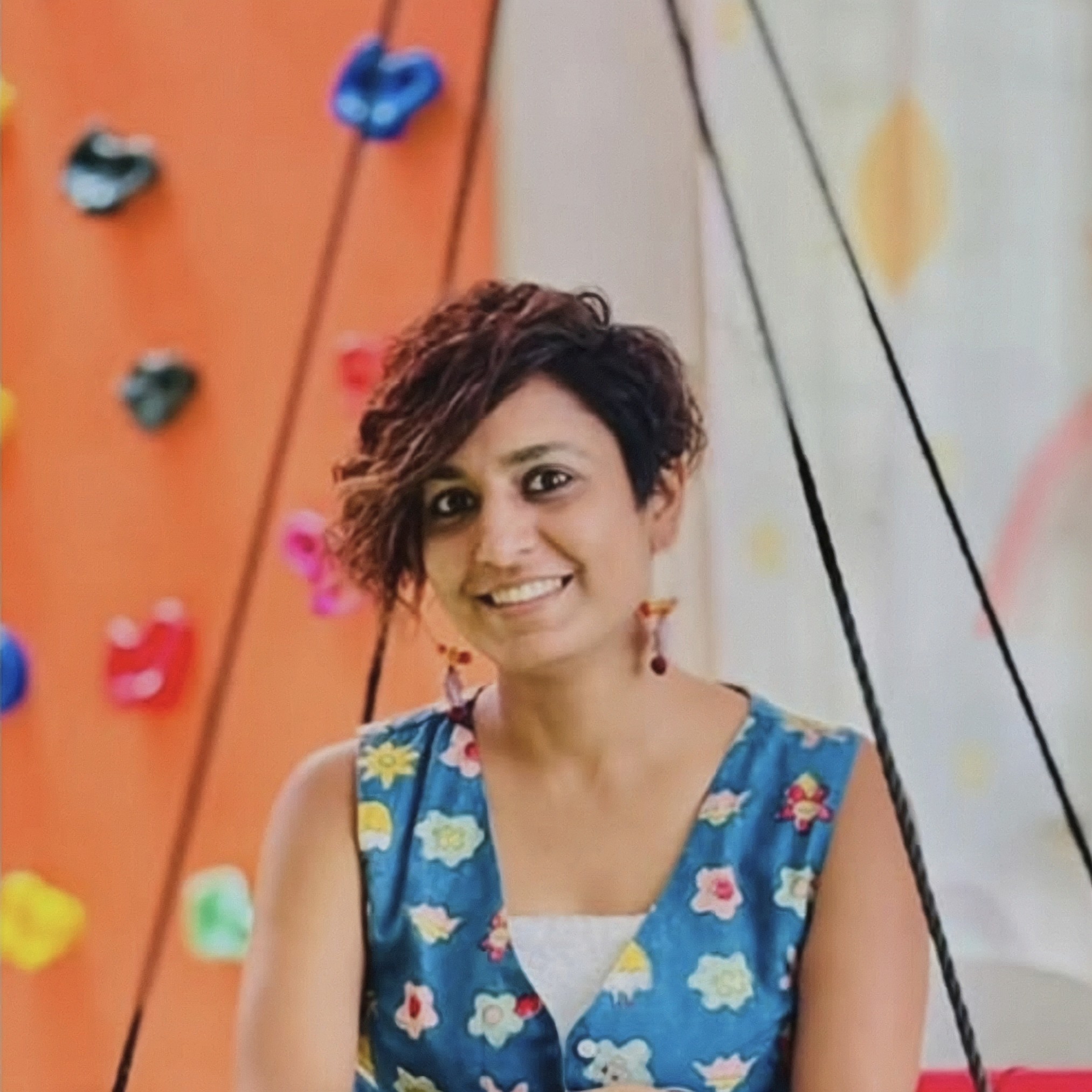
Dr. Preeja Balan
Our consultant for speech and language therapeutic interventions. She consults with and trains our team in providing speech and language support to strengthen children's communication skills.
 BY TALC
A new world for children with special needs.
A one-of-a-kind alternative learning environment for children with diverse learning and developmental needs—where academics, friendships, sports, life skills and childhood come together.
Because every child deserves to learn, belong, achieve — and simply be a child.
Is giving a child a bench and desk really inclusion?
Ms. Latha Gangadharan's child missed milestones, walked later, learnt differently, ate differently and experienced the world differently.
Schools welcomed him, but he had to adapt to an environment designed for everyone else.
When he couldn't learn, participate or adjust, the responsibility kept coming back to the child and the parents.
So she asked:
What if, instead of making the child fit the environment, we designed the environment around the child?
That question became PHYSIS.
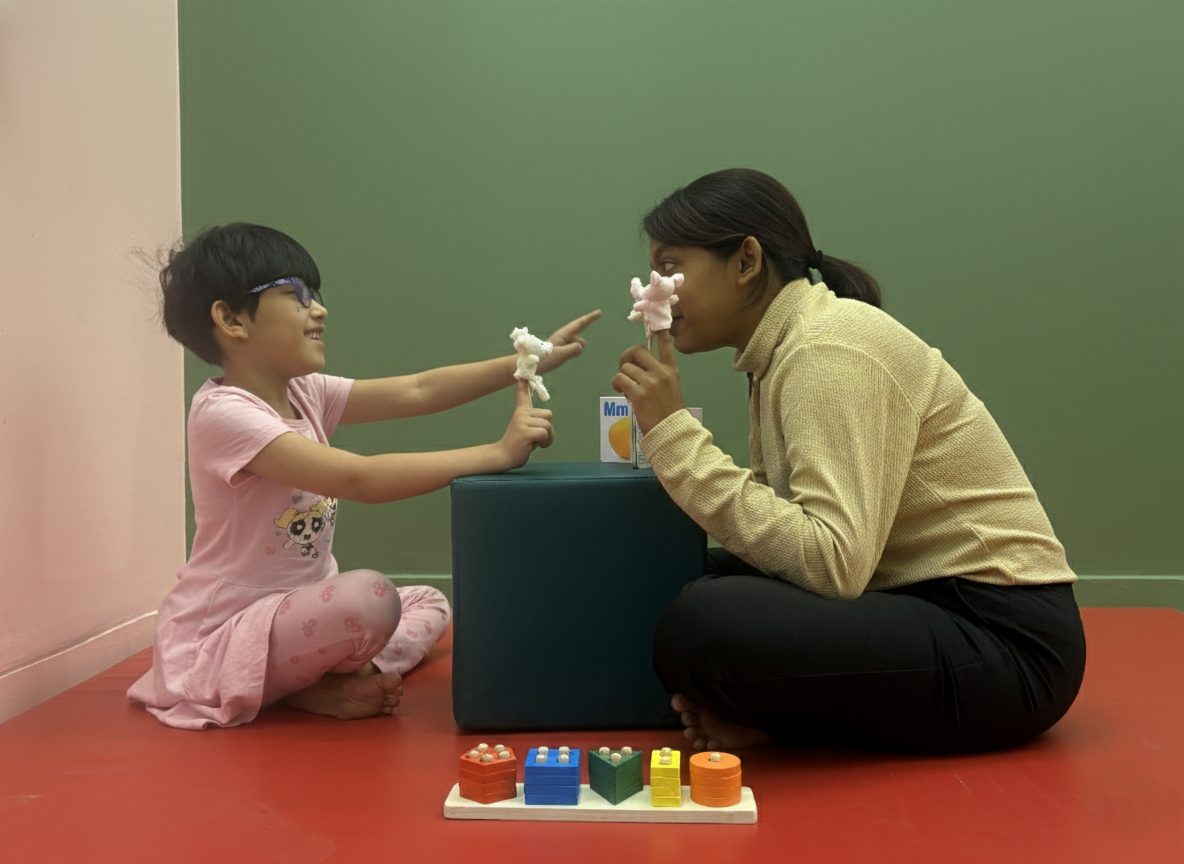
We begin with the child who needs a more individualised approach to understanding, learning, communication, behaviour, sensory needs, social interaction, daily living or development.
We don't begin with the diagnosis.
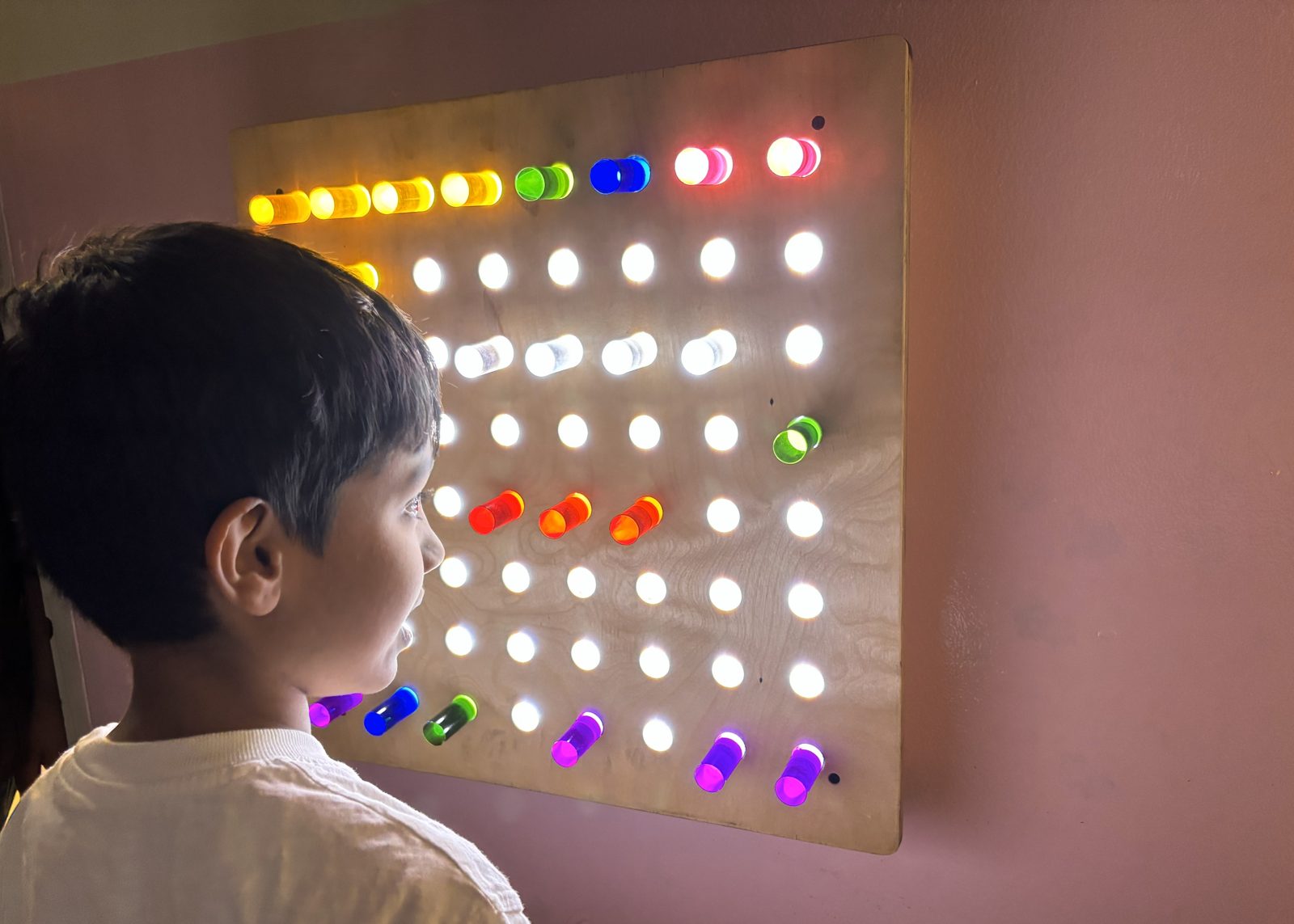
We understand their strengths, challenges, interests, communication, learning style, sensory needs and developmental goals before deciding the way forward.
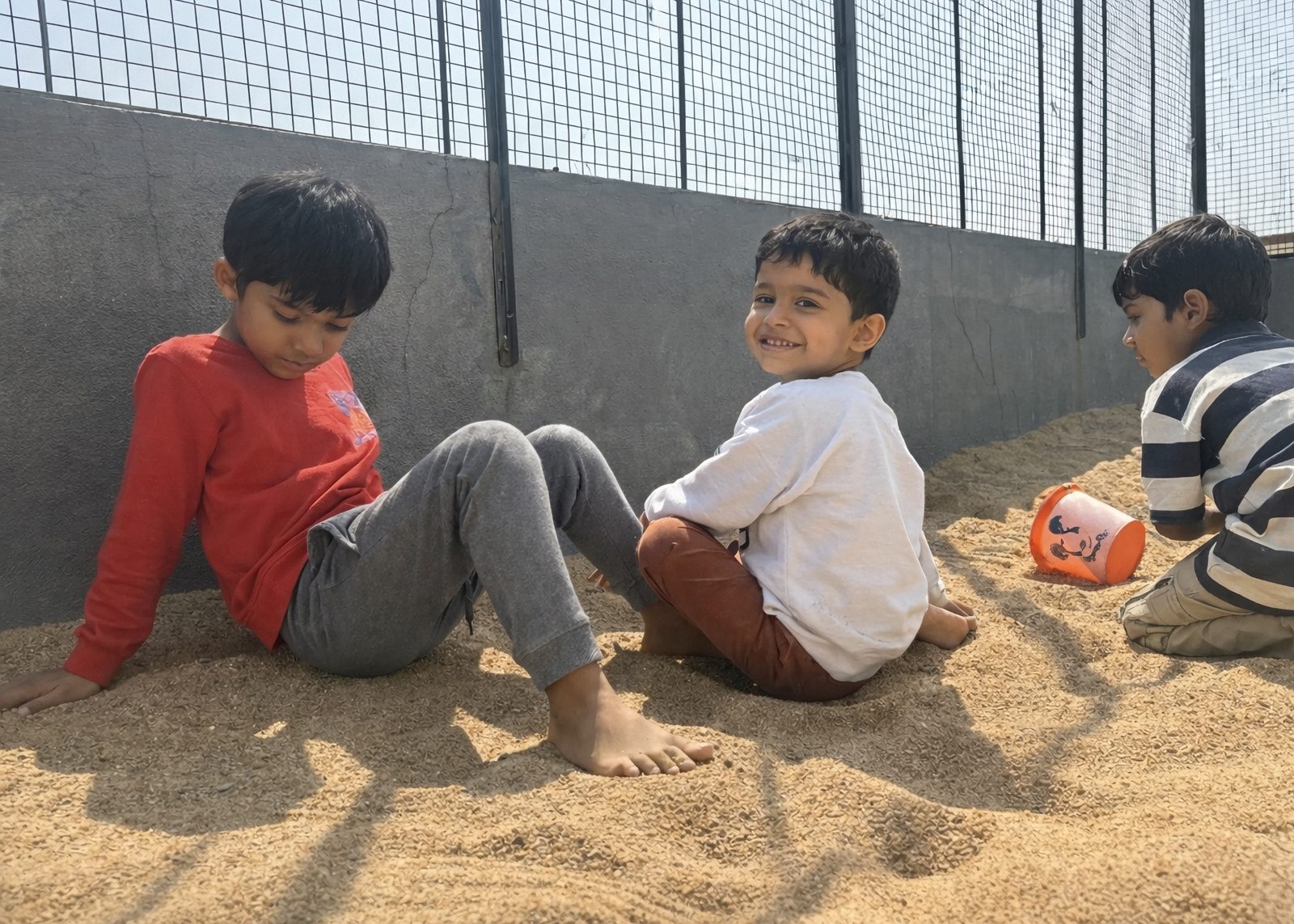
Depending on the child's needs and goals, their programme may include:
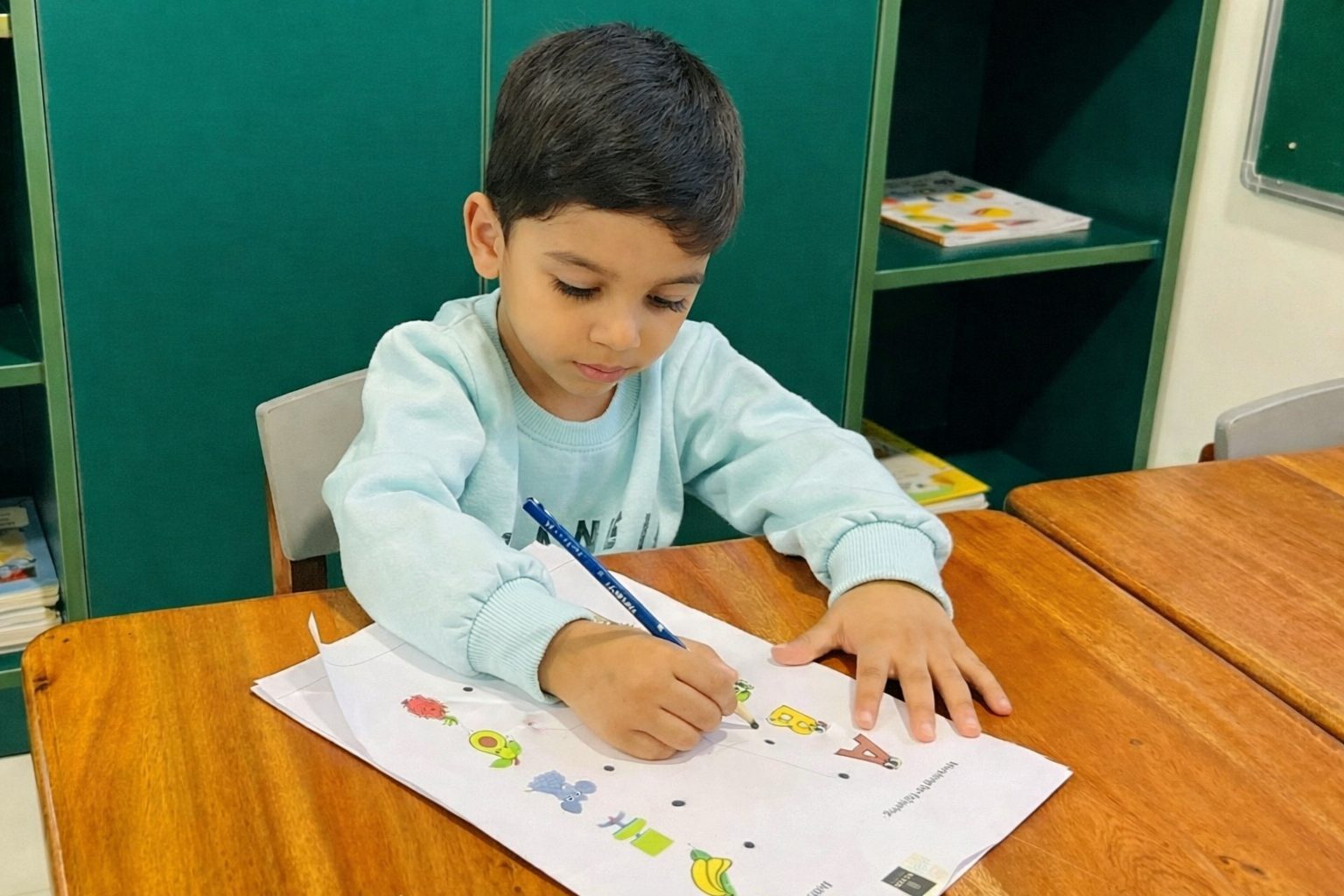
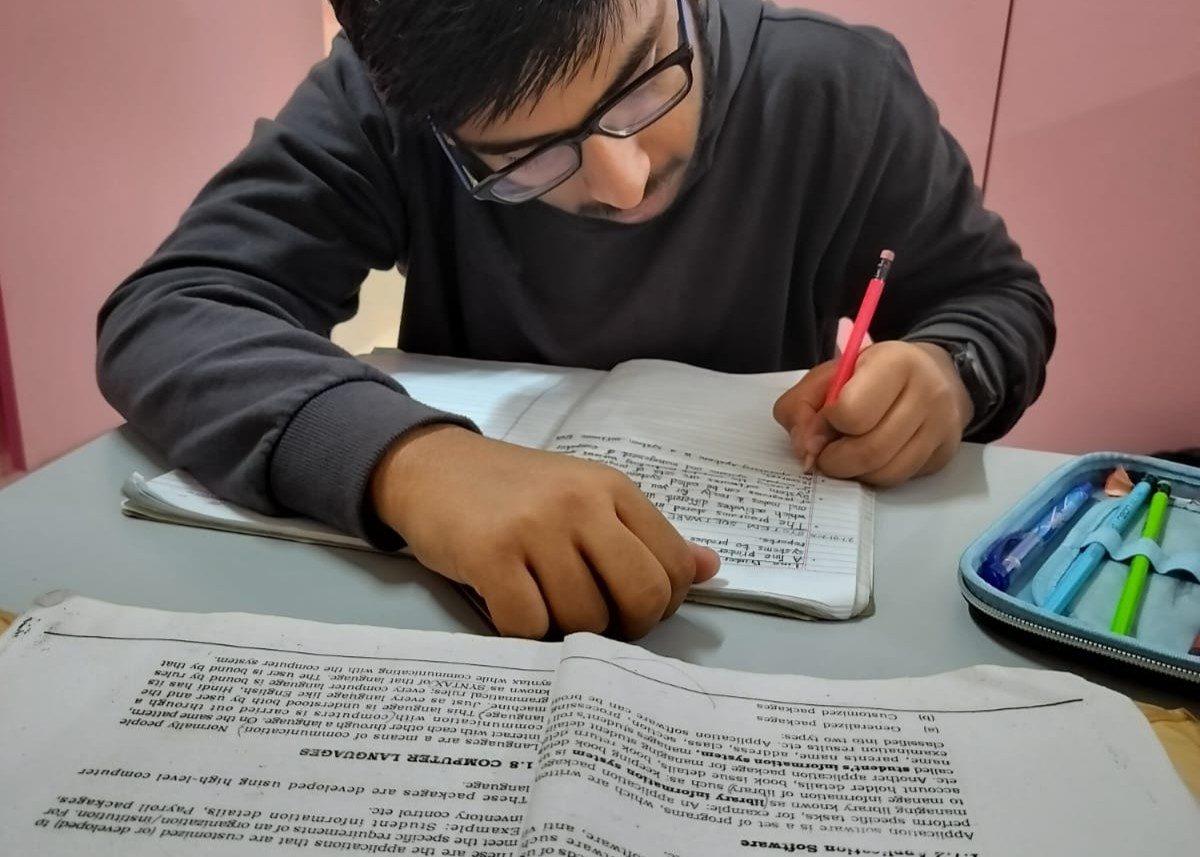
Academic pathways may include NCERT/CBSE-aligned learning and preparation for the NIOS Class 10 and Class 12 board examinations.
The goal is not to complete the entire syllabus. It is to help every child achieve meaningful mastery.
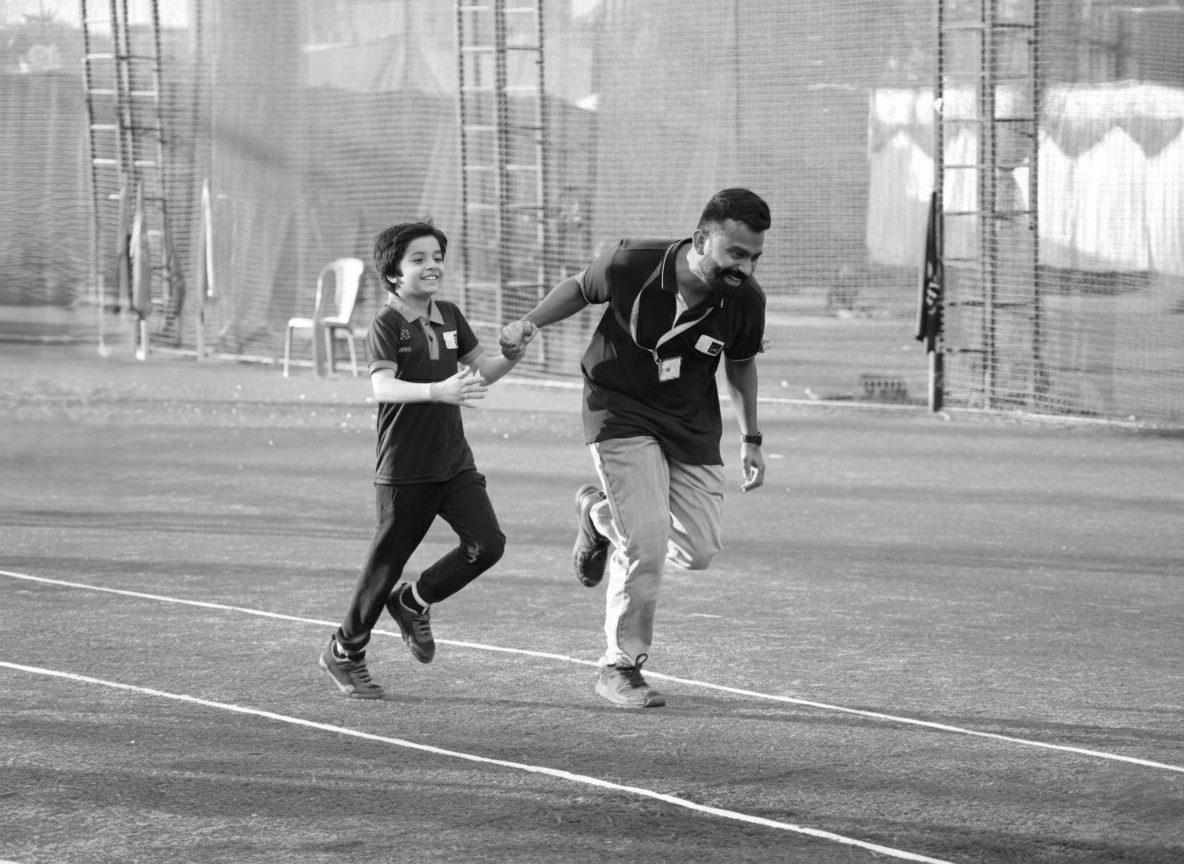
Every child is understood through TALC's Body–Mind–Intellect (BMI©) approach.
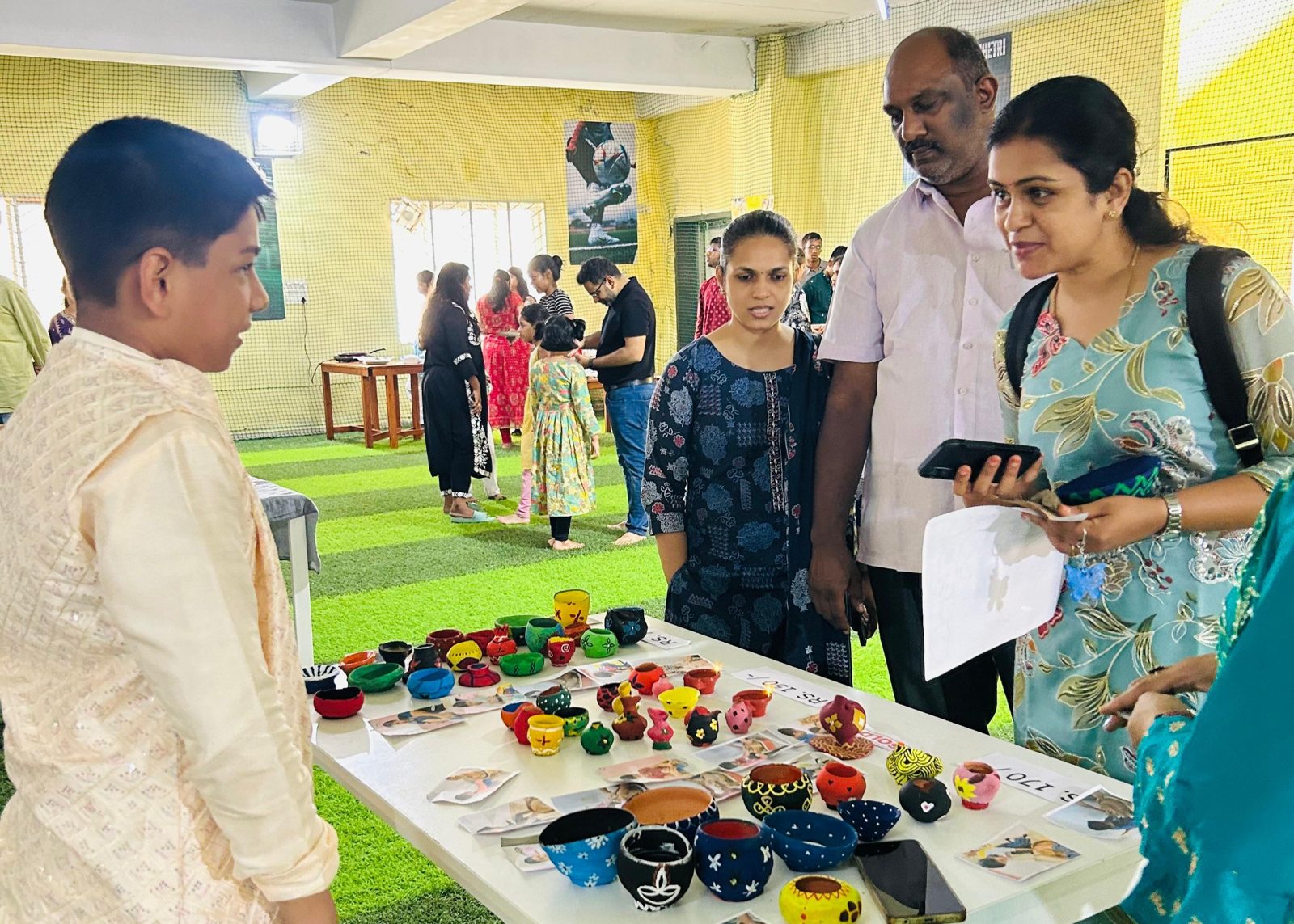
Gross motor skills • Fine motor skills • Bilateral coordination • Midline crossing • Core strength • Stamina • Sensory needs • Daily living
Self-awareness • Emotional regulation • Resilience and coping • Ambition • Relationships • Positive mindset • Well-being
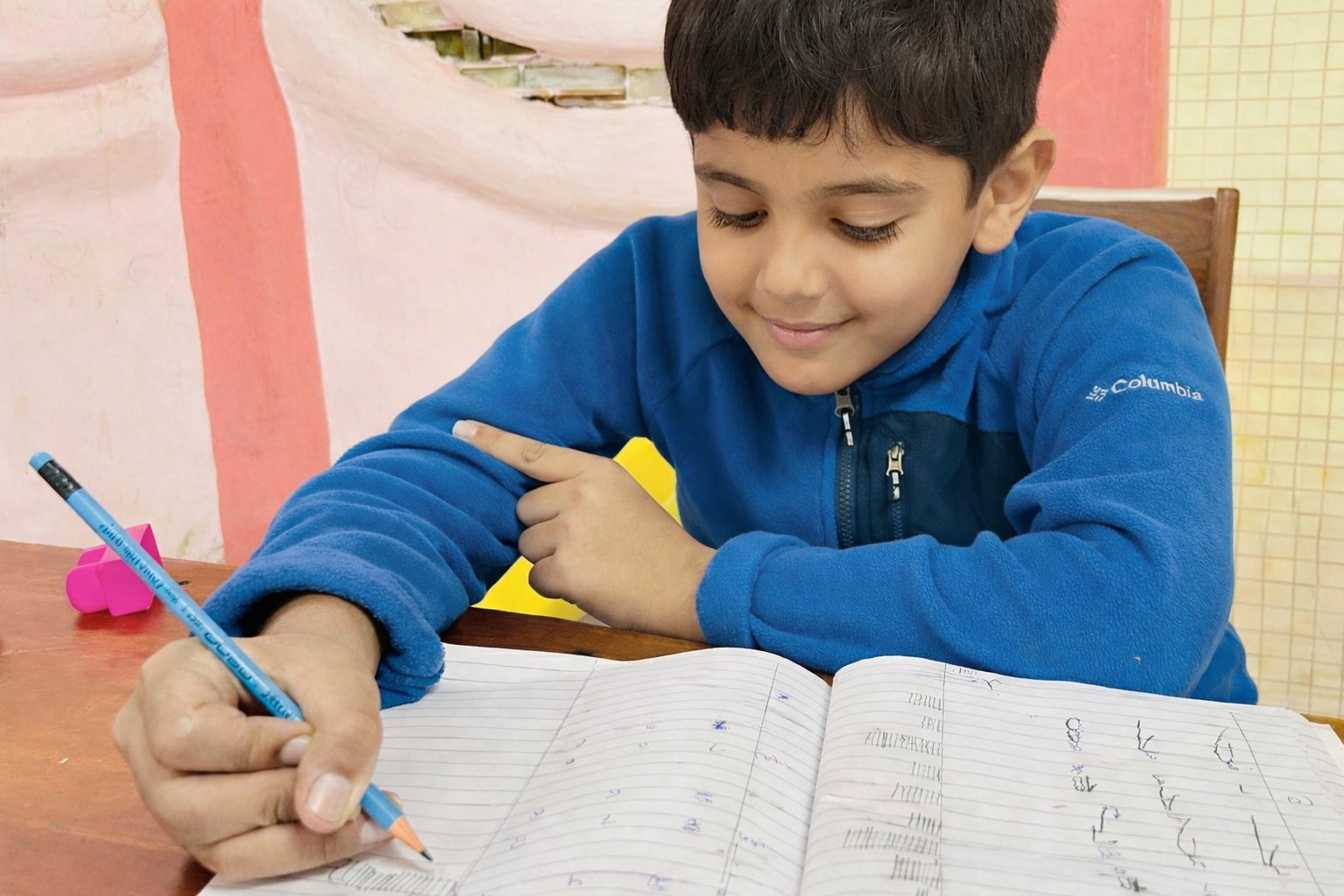
Reading skills and comprehension • Writing skills and expression • Spelling and vocabulary • Real-life application • IEPs • Special education • Differentiated learning
From this understanding, individual goals and learning priorities are identified.
These are reviewed as the child develops.
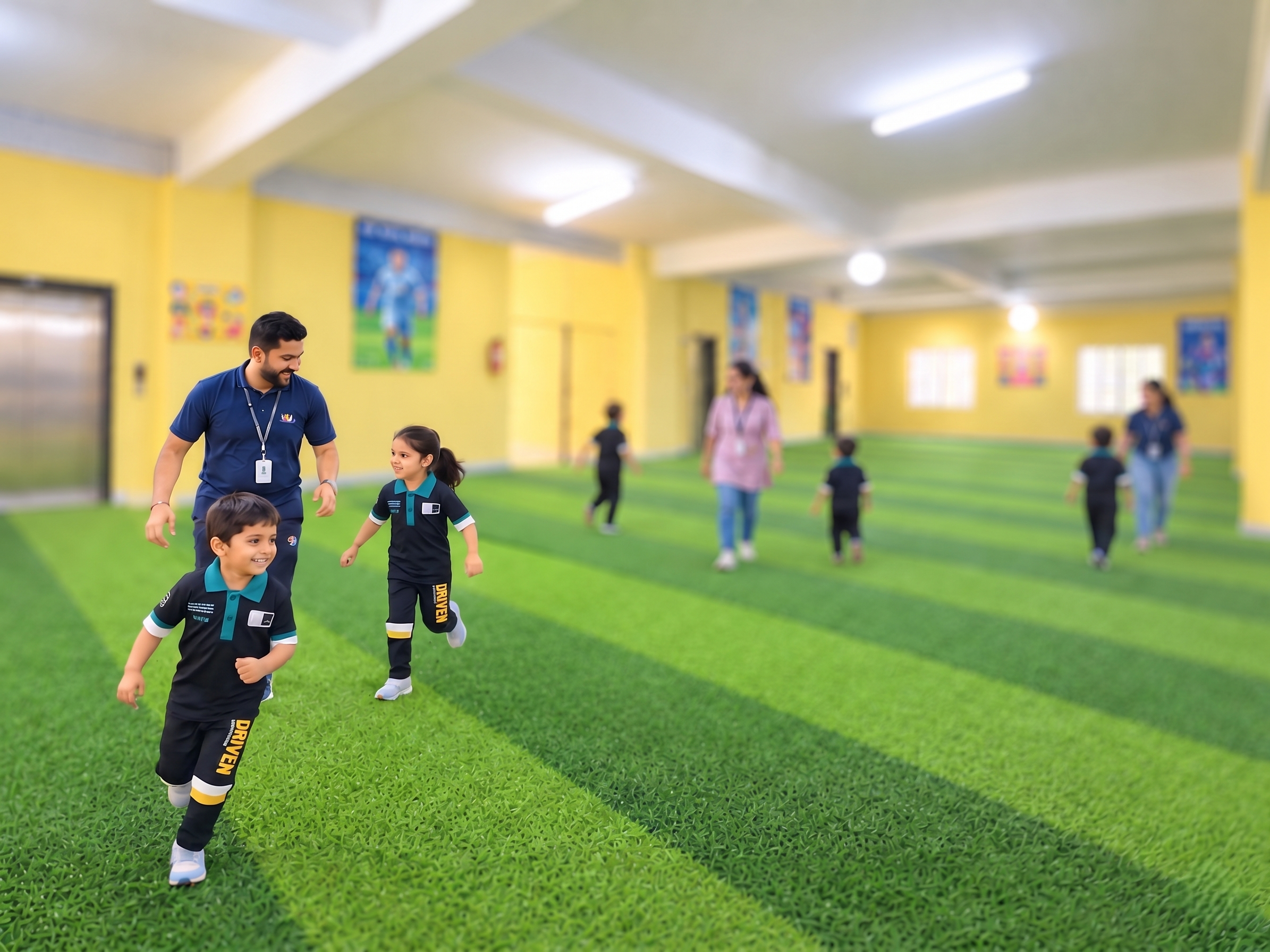
A child may not initially play football because they understand the game.
Maybe they simply enjoy kicking a ball.
So we begin with the kick.
We don't begin with "Do it this way." We begin with "Show us your way in."
The PHYSIS ecosystem brings together:
But more professionals do not automatically mean better outcomes.
The PHYSIS difference is a core team that ensures every specialist understands the child and their unique needs, so they can work together towards shared goals.
Our consultant for speech and language therapeutic interventions. She consults with and trains our team in providing speech and language support to strengthen children's communication skills.
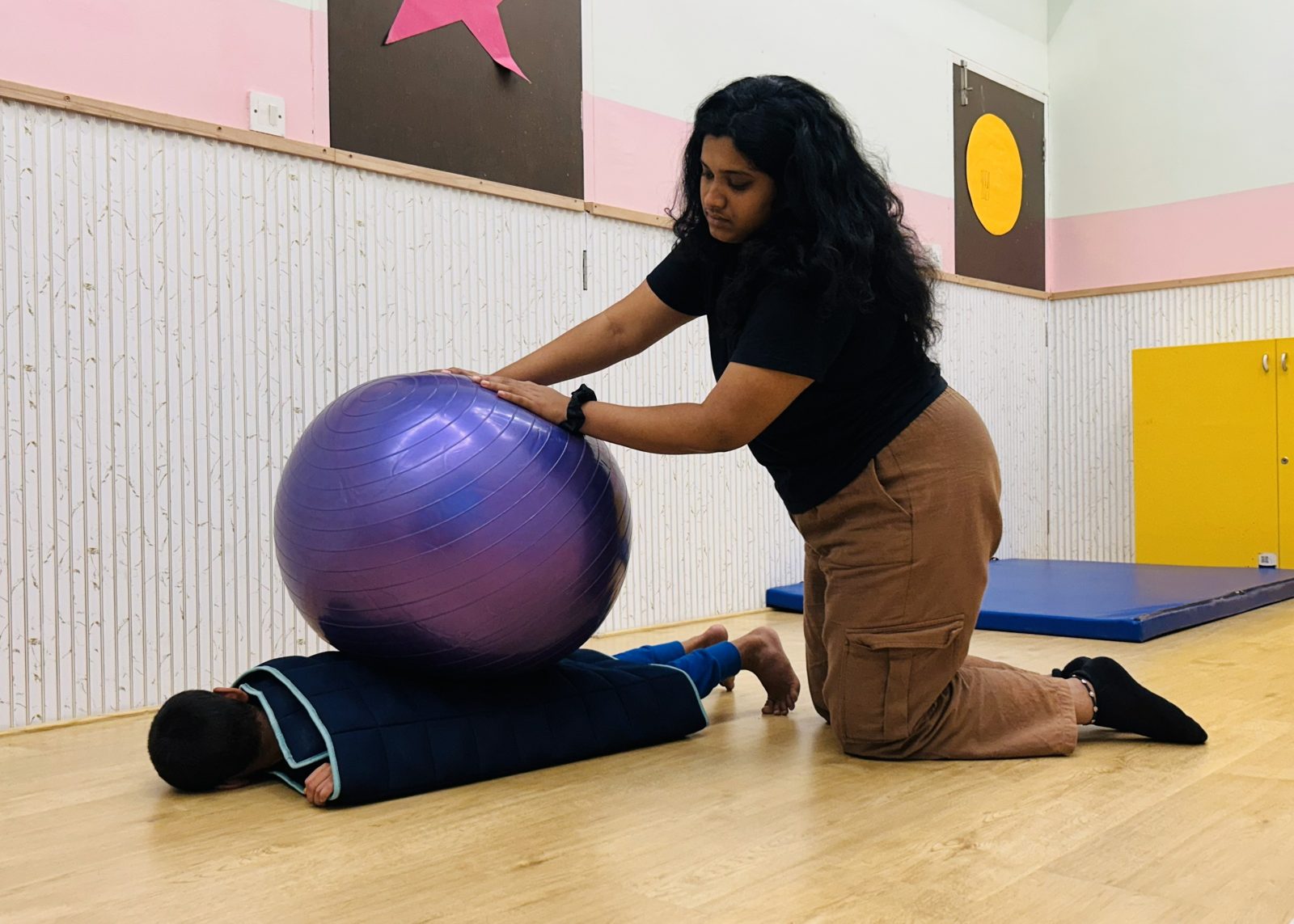
Paediatric Occupational Therapist. Meets our children and guides our team to arrive at interventions that support sensory processing, regulation and functional development.
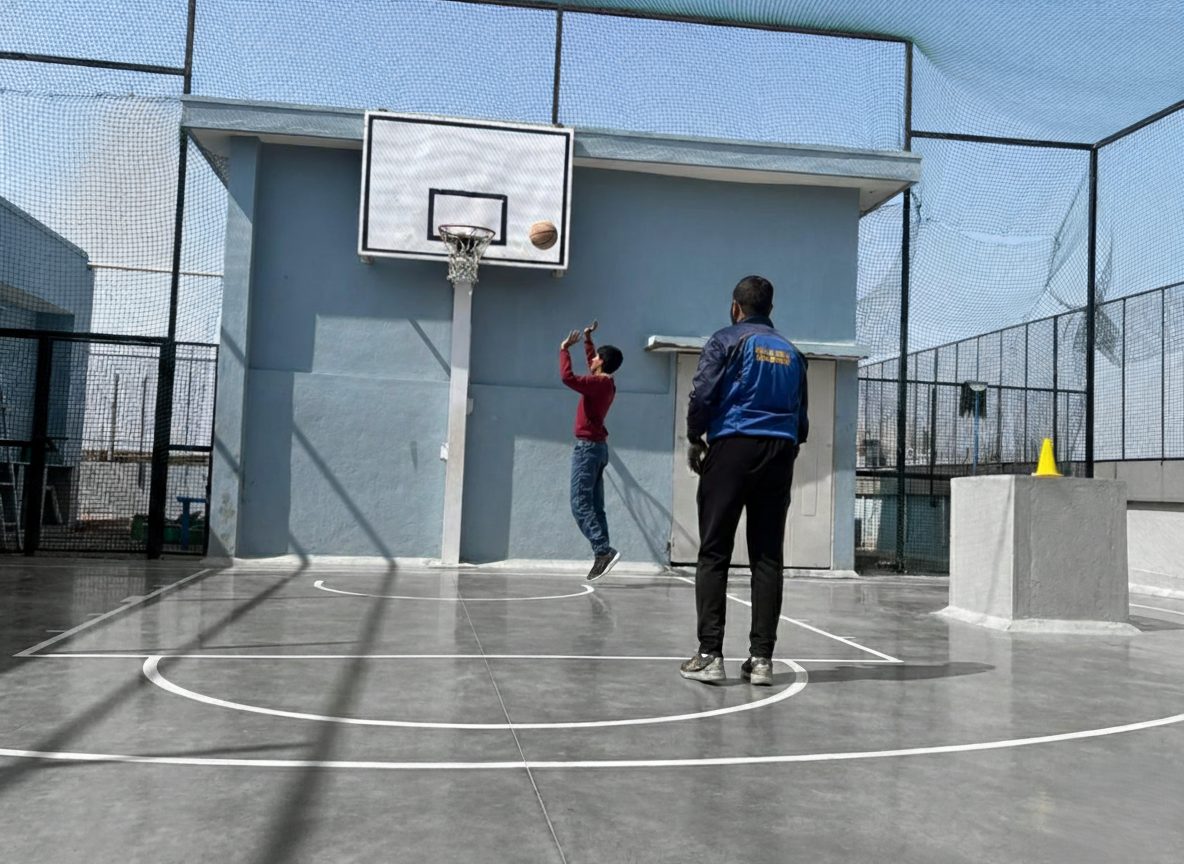
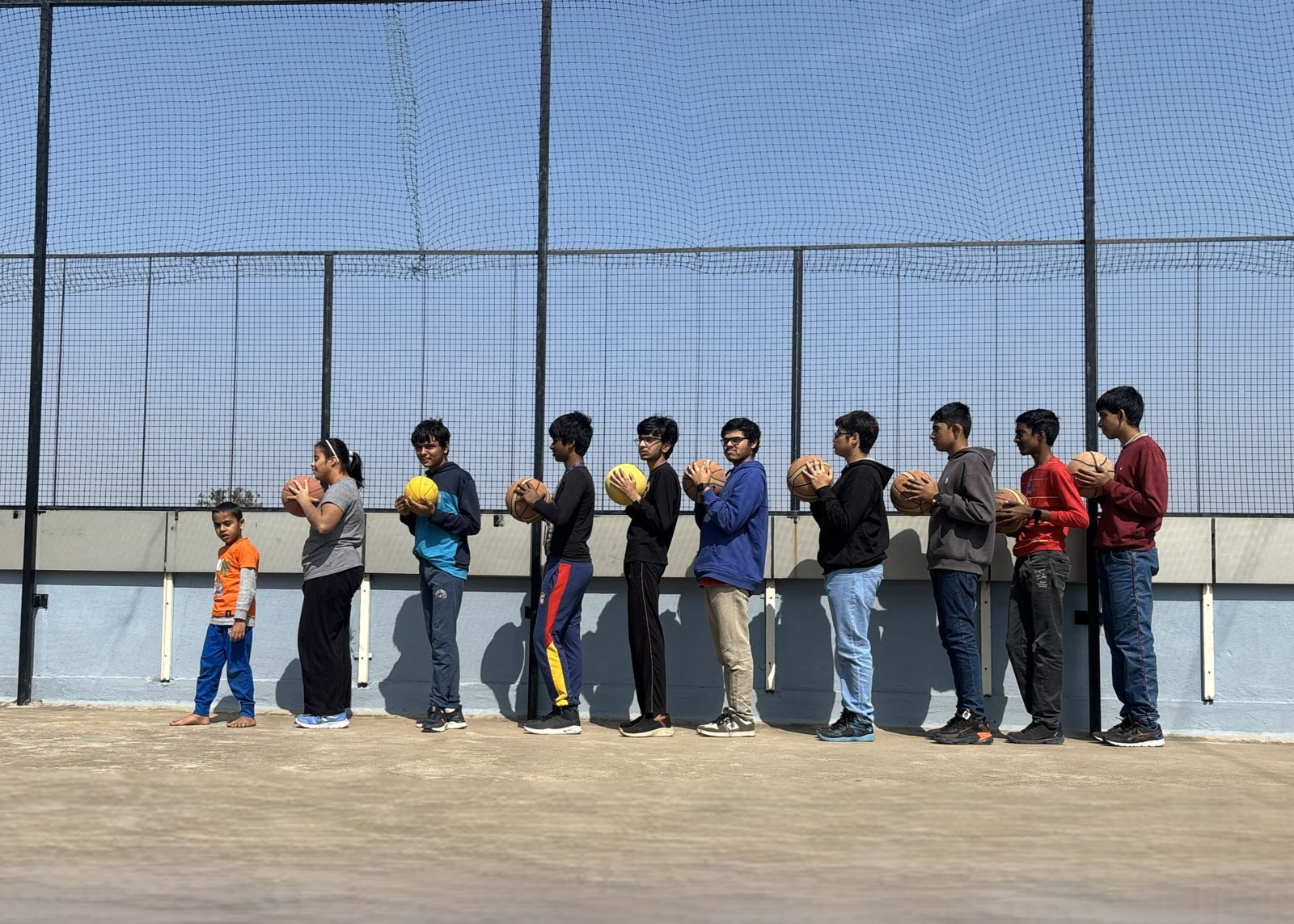
Structured sports and free-flow arts activities to develop physical skills, coordination, creative movement, team spirit and self-expression.

Works with children on body movement, coordination and self-expression.
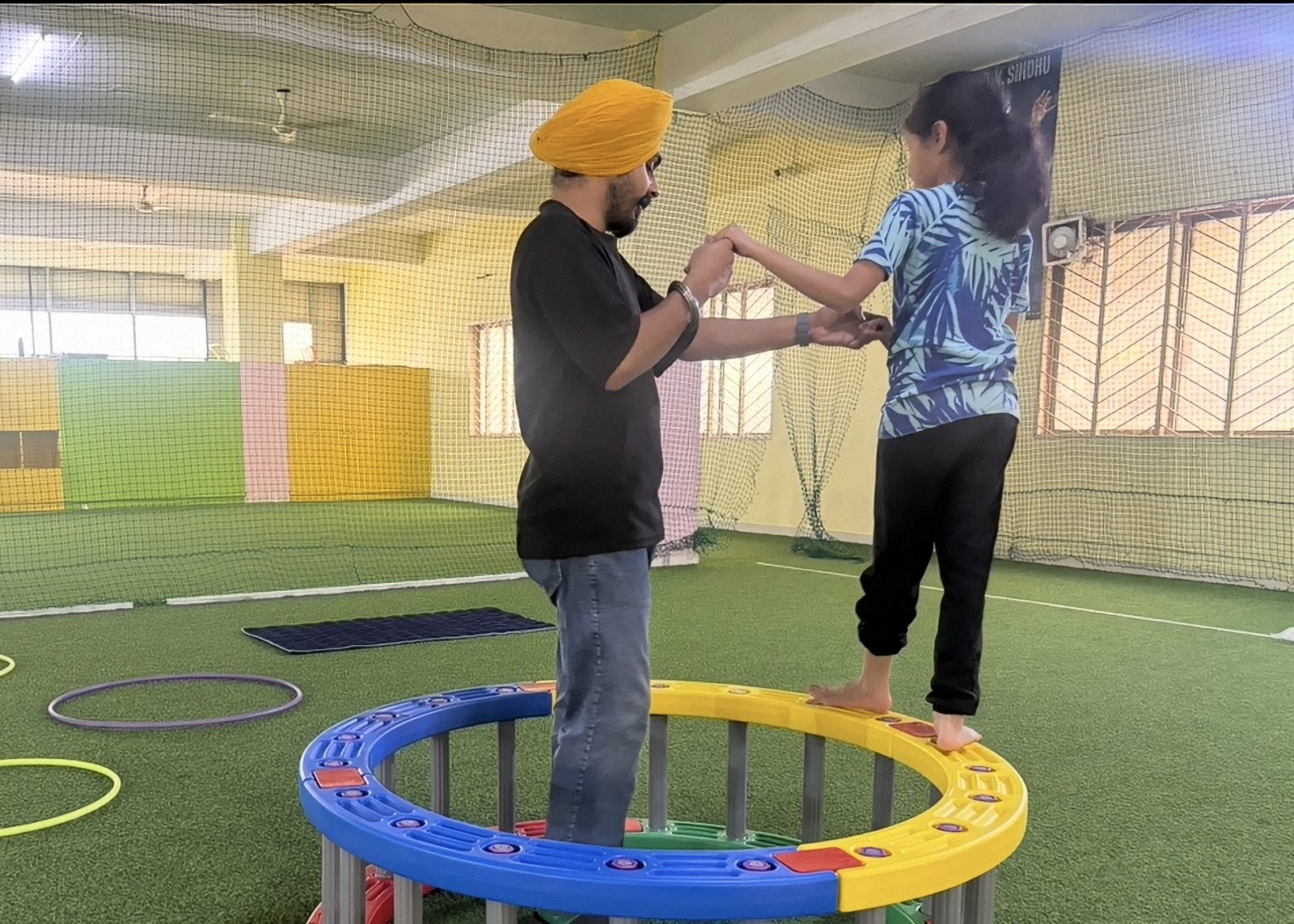
Develops strength, flexibility, agility, balance, coordination and confidence.
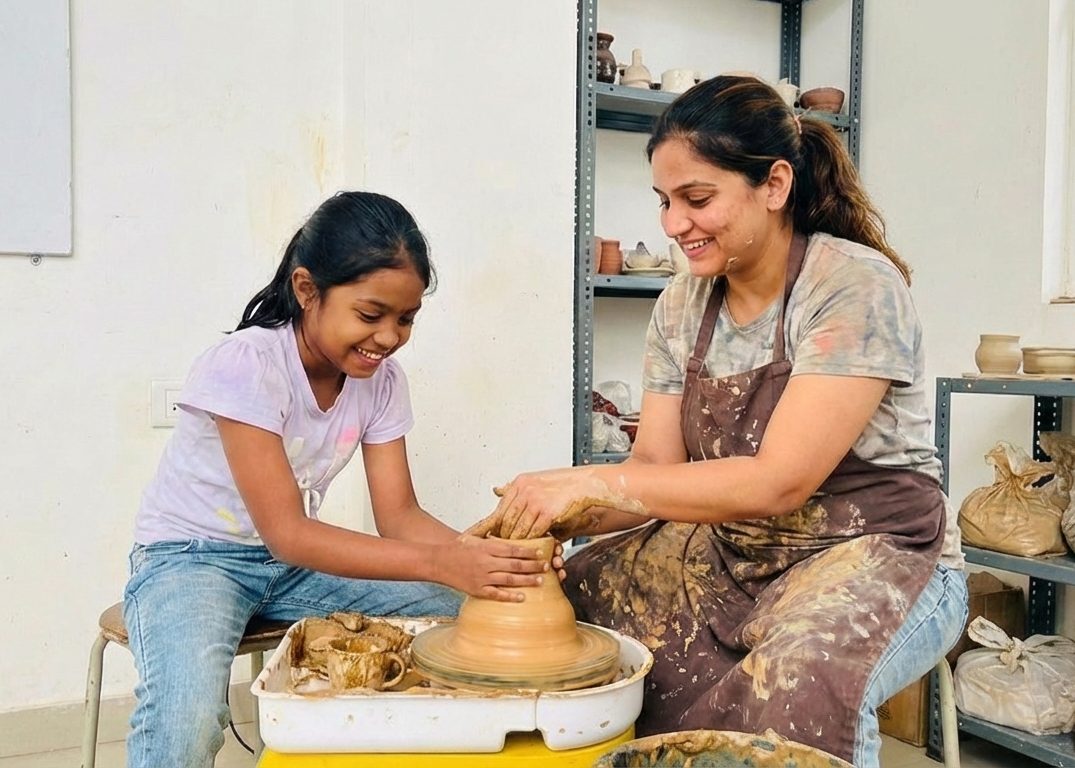
Hands-on clay experiences that foster creativity, sensory exploration and pottery skills.

Nurse and other health service providers.
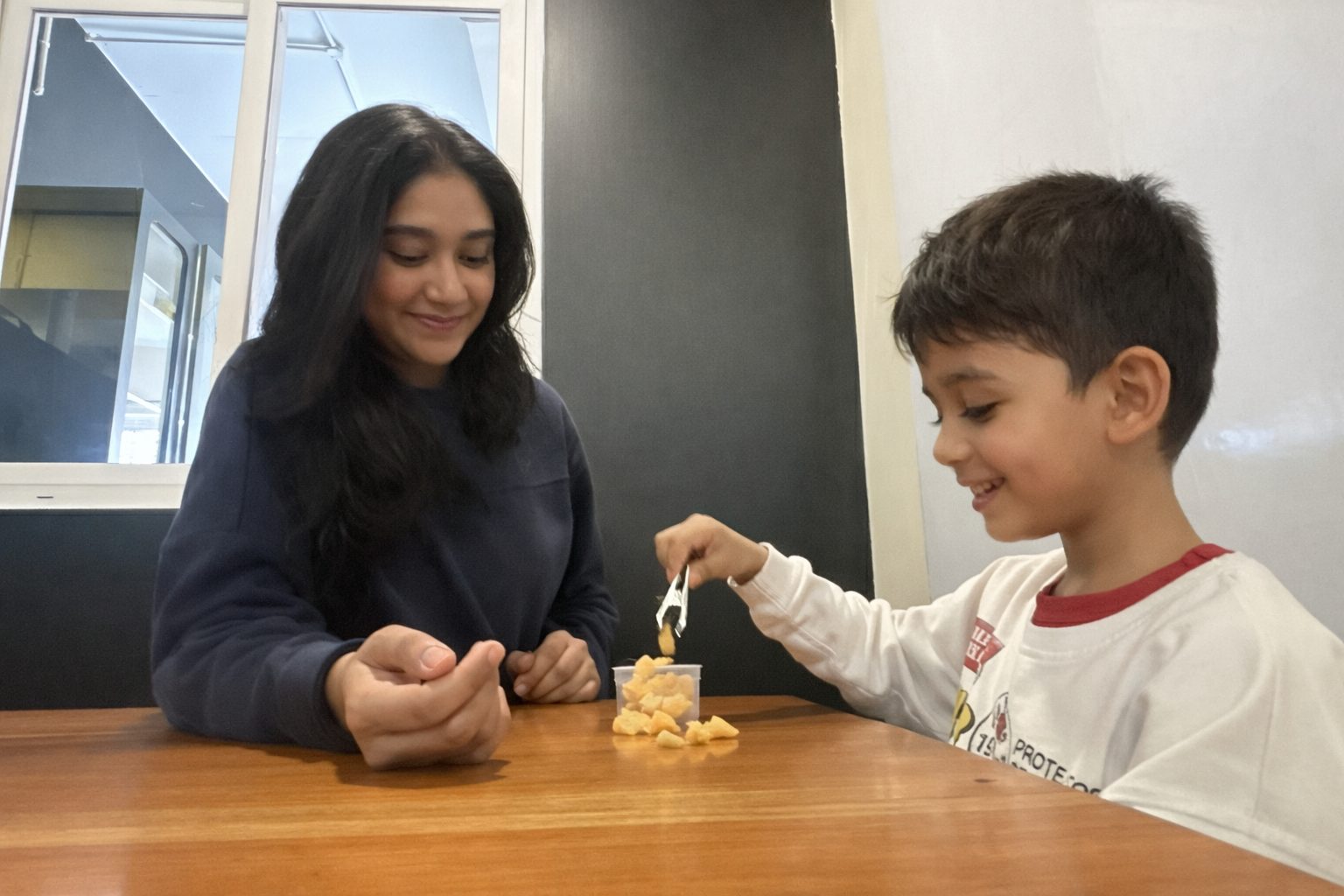
At PHYSIS, mentors are not merely classroom teachers.
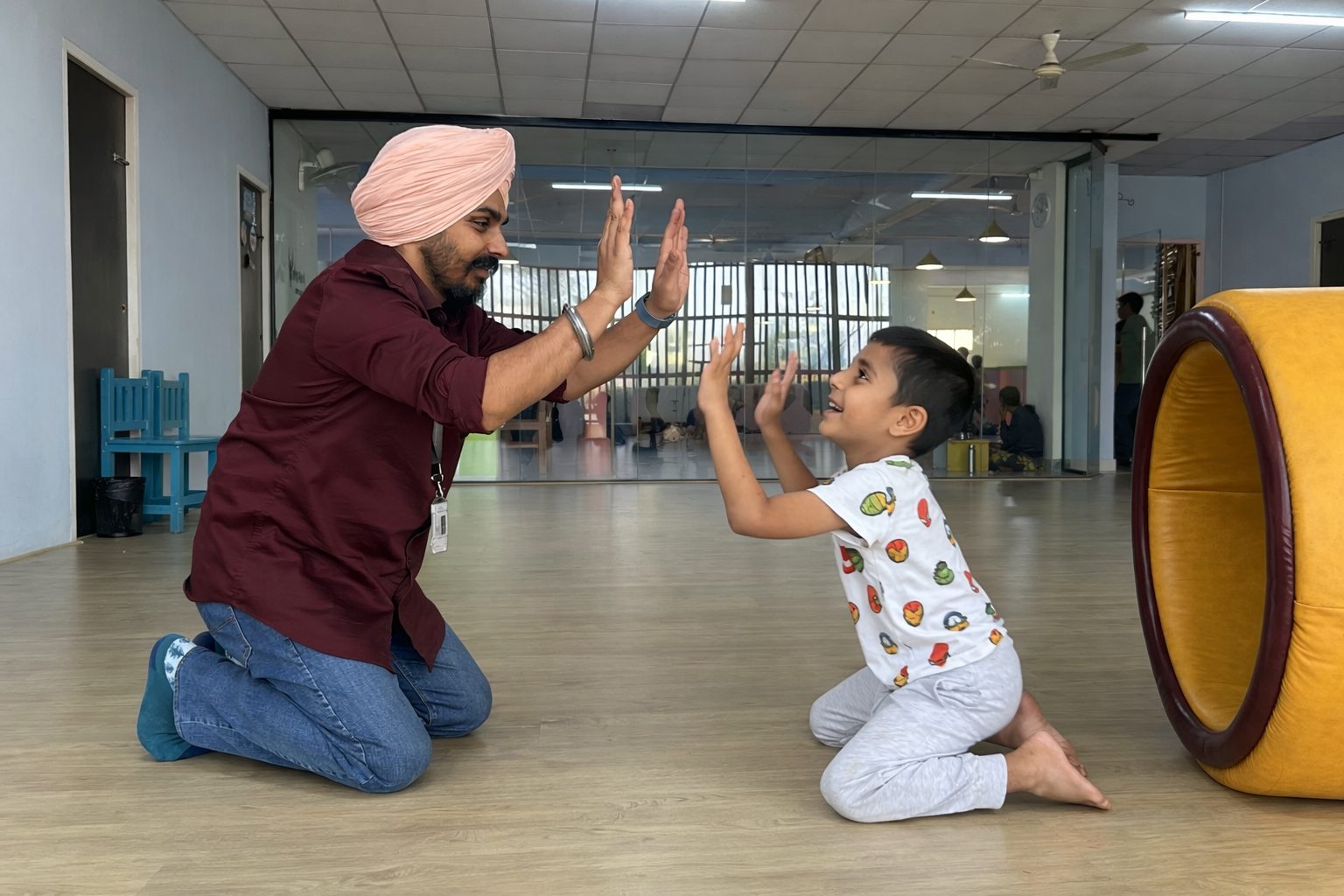
They observe, connect, teach, support and understand the child's everyday journey.
They are trained to know the child, recognise their needs, understand their communication, maintain boundaries, protect their dignity and gradually enable greater independence.
They are the children's anchors, confidants and cheerleaders—not just one, but a team of them.
Occupational therapy, physiotherapy, speech and communication support and other professional interventions are incorporated where required.
Children should not spend childhood moving from one intervention to another.
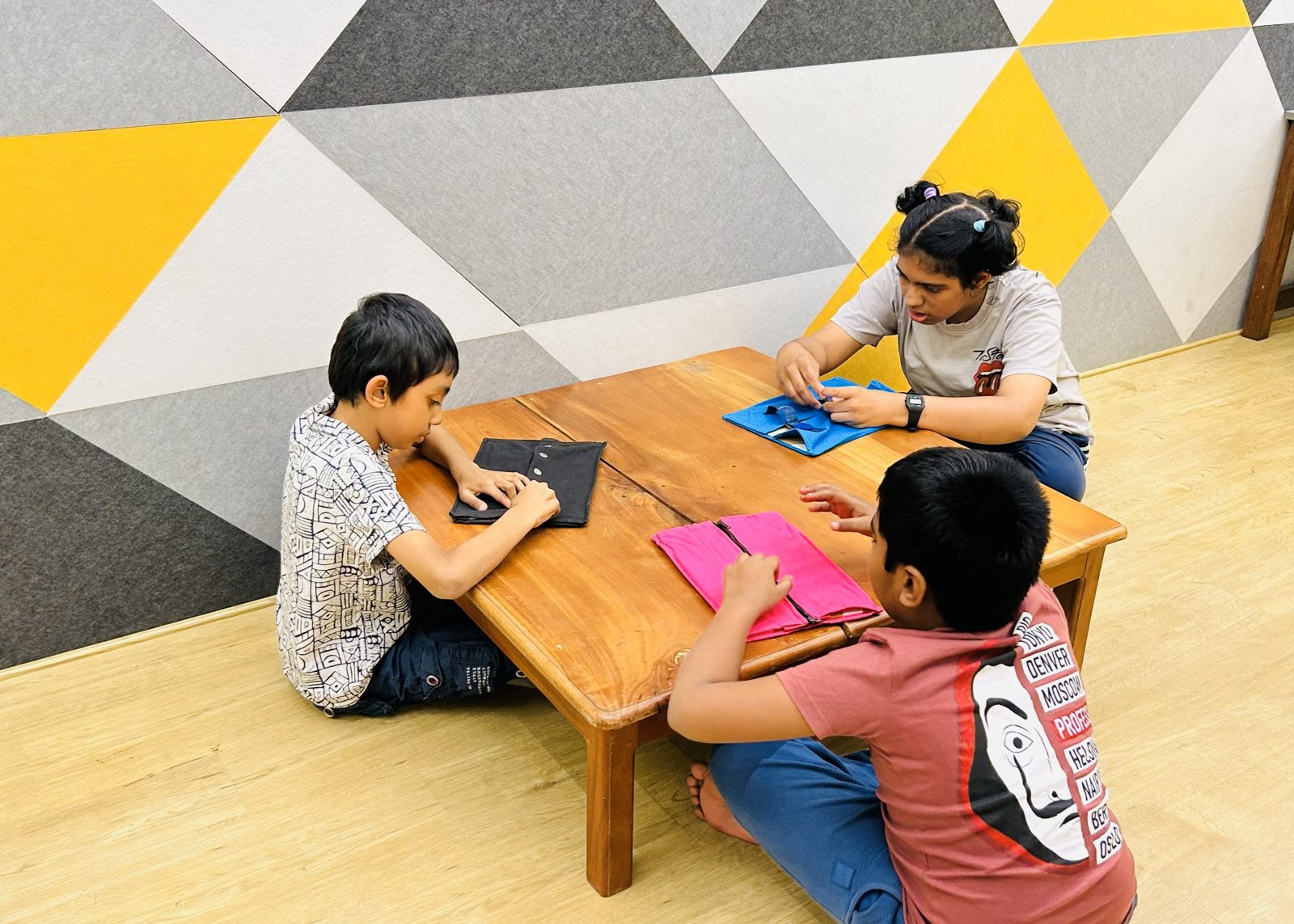
What is learnt through therapy must eventually work in the classroom, playground, dining table, home and community.
The goal is to generalise skills that will help children participate in life.
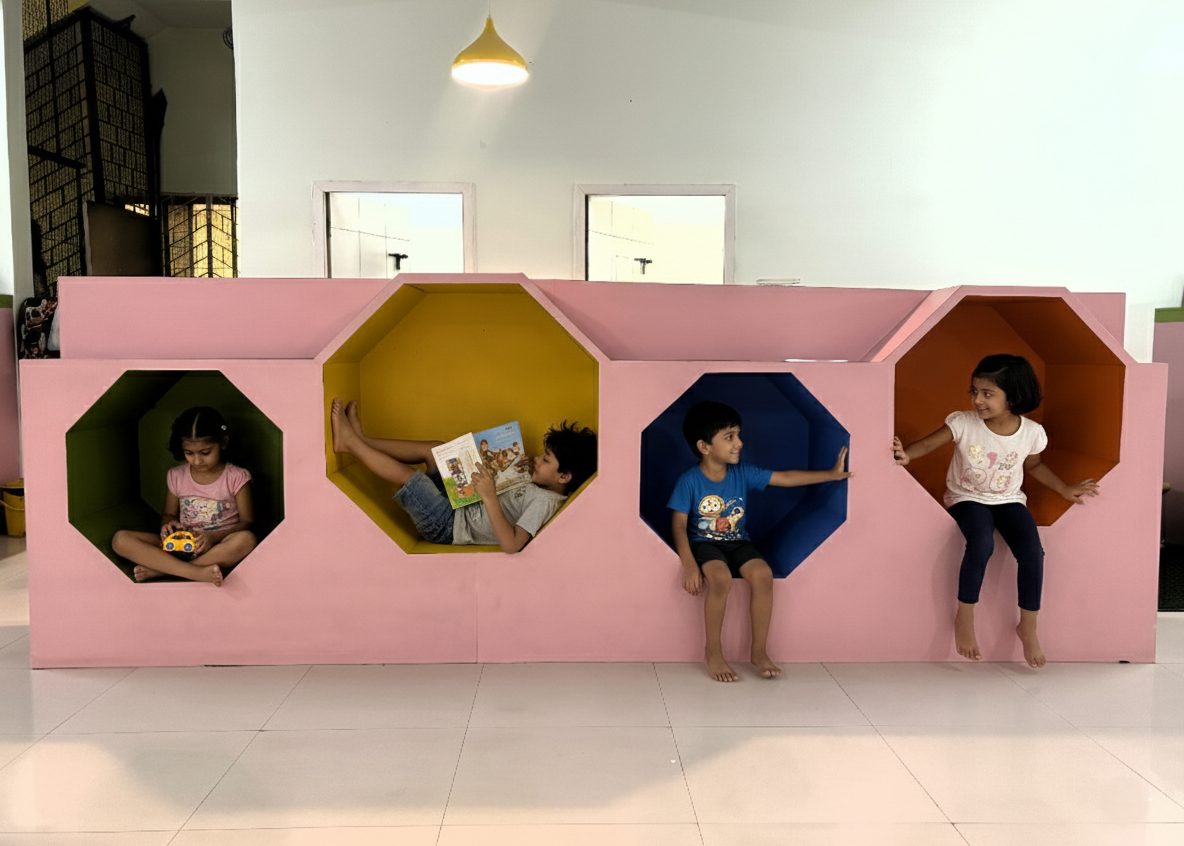
Progress is observed across the whole child, at home and in social settings—not only through marks.
We look at growth in areas such as:
Parents and the PHYSIS team work together to review progress, understand concerns and decide the next set of meaningful goals.
We measure the child against their own journey—not against another child.
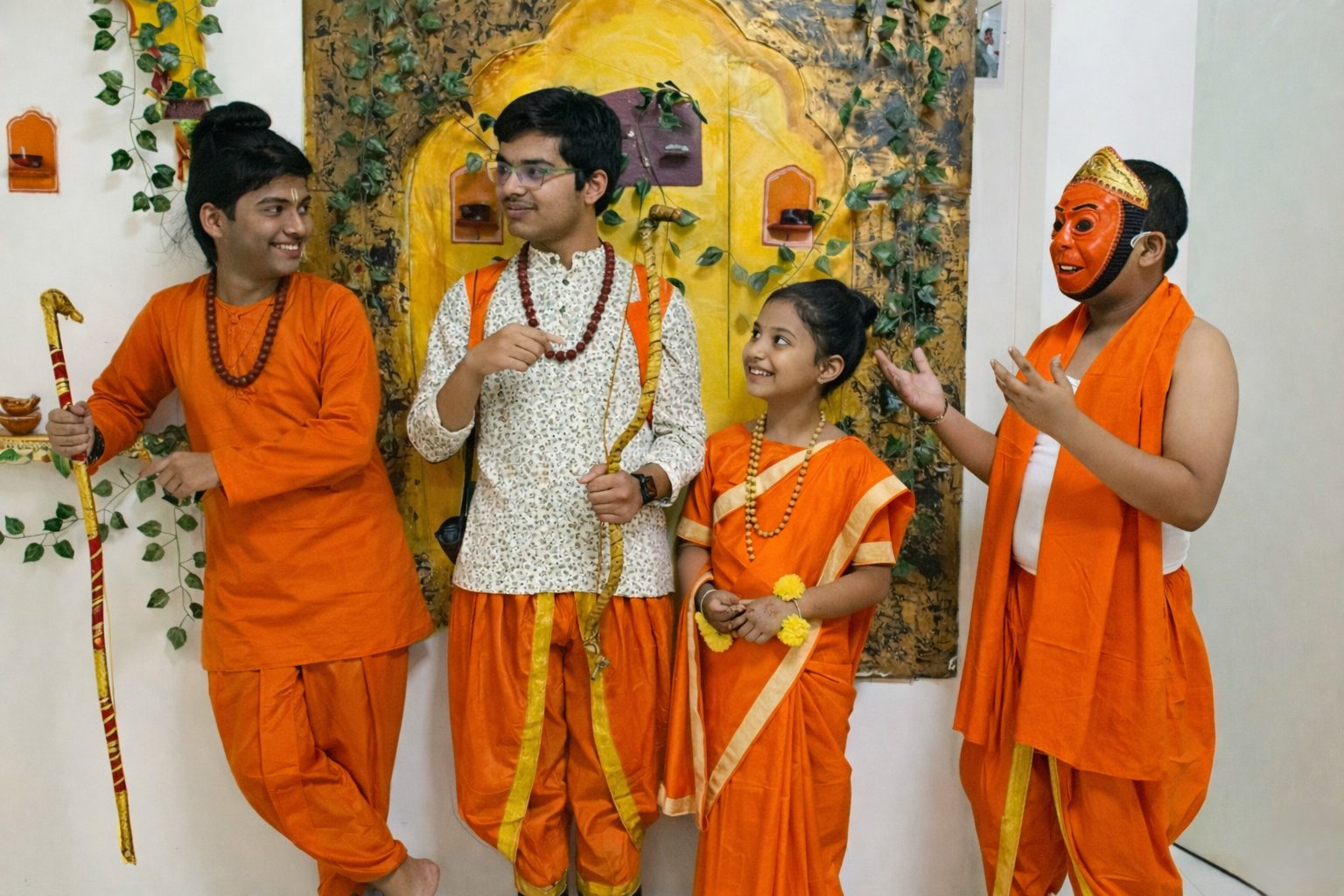
Having unique needs doesn't mean a childhood made entirely of therapy or special education. Children need a childhood.
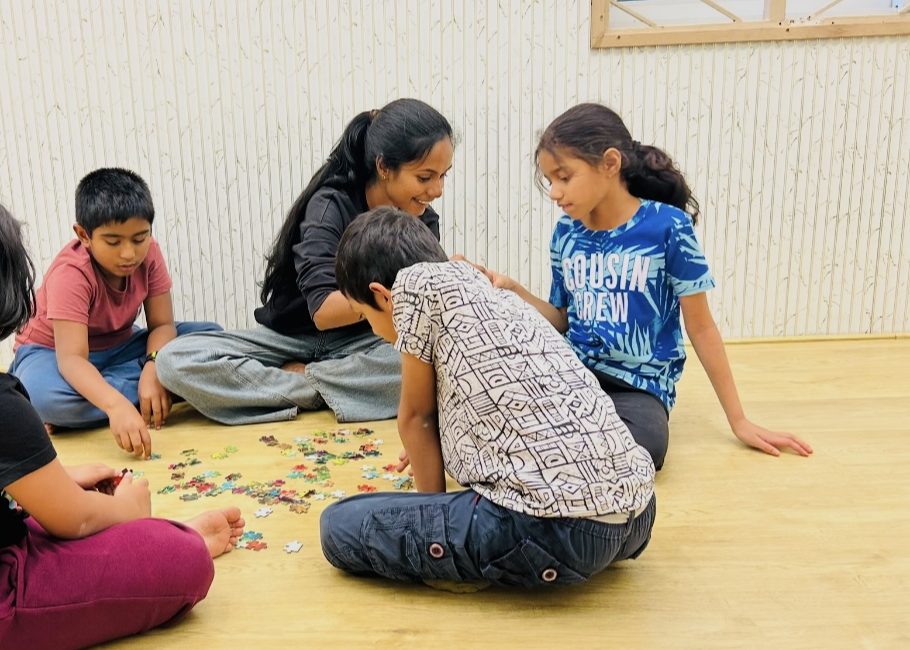
Children need opportunities to build relationships, negotiate differences, communicate, participate, celebrate and simply spend time together.
PHYSIS deliberately creates opportunities for friendship, peer interaction, teamwork, celebrations, sports, outings and community experiences.
Social development happens through an active social life.
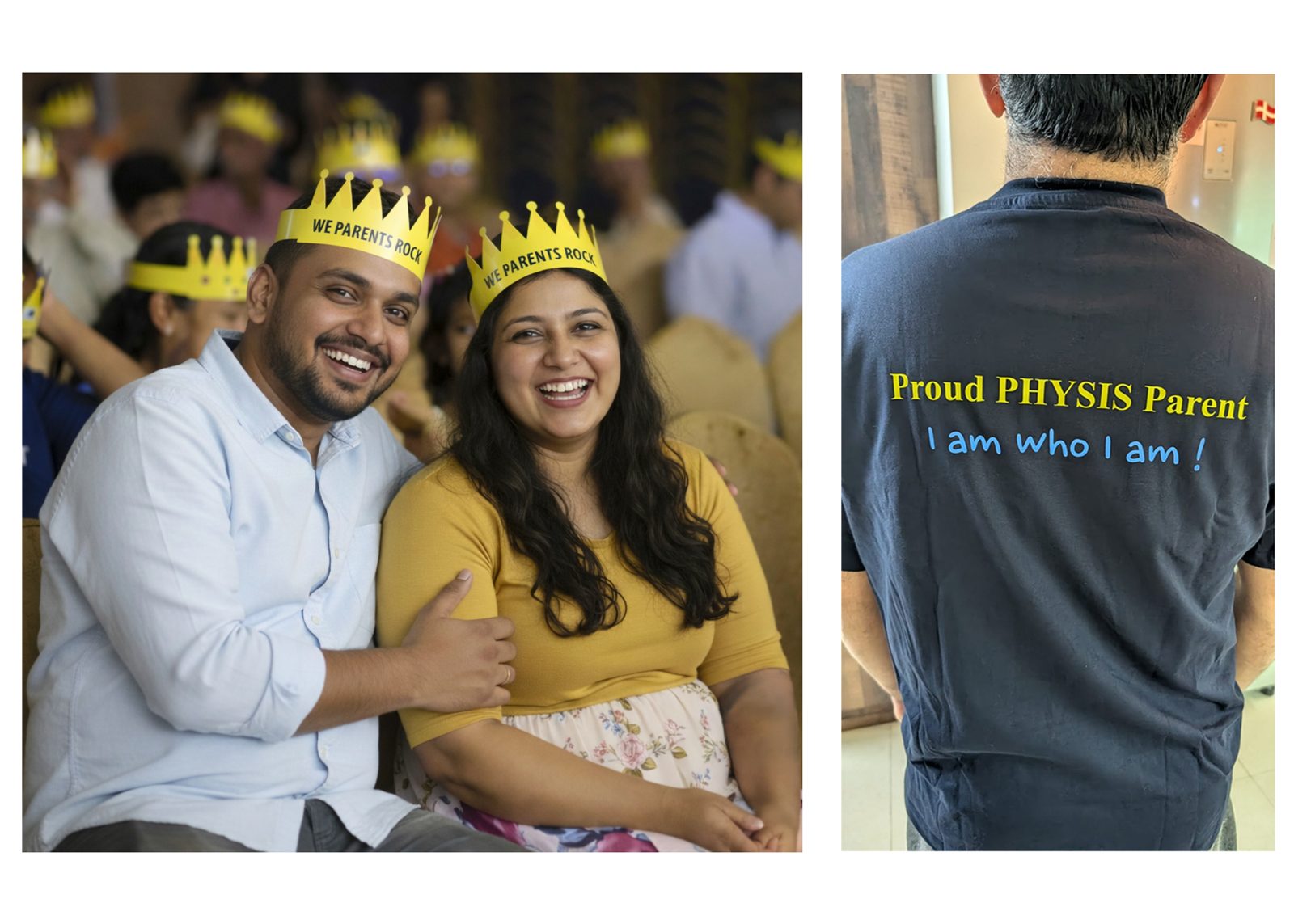
Parents know their child in ways no professional can.
PHYSIS therefore sees parents as partners, not people waiting outside the system for instructions.
Parents, mentors and experts share observations, review goals and work towards consistency between school, home and everyday life.
Not just for homework, but for building a life together.
As children grow, the questions change.
Academic achievement remains important—but so do independence, decision-making, safety, relationships, work readiness and quality of life.
Education must prepare a young person for life—not only for an examination.
Parents entrust us with what matters most to them.
The physical and emotional safety of every child therefore matters deeply.
Children deserve to be treated with dignity, respect and appropriate boundaries, while being gradually enabled to communicate discomfort, understand personal safety and advocate for themselves.
Protection and independence must grow together.
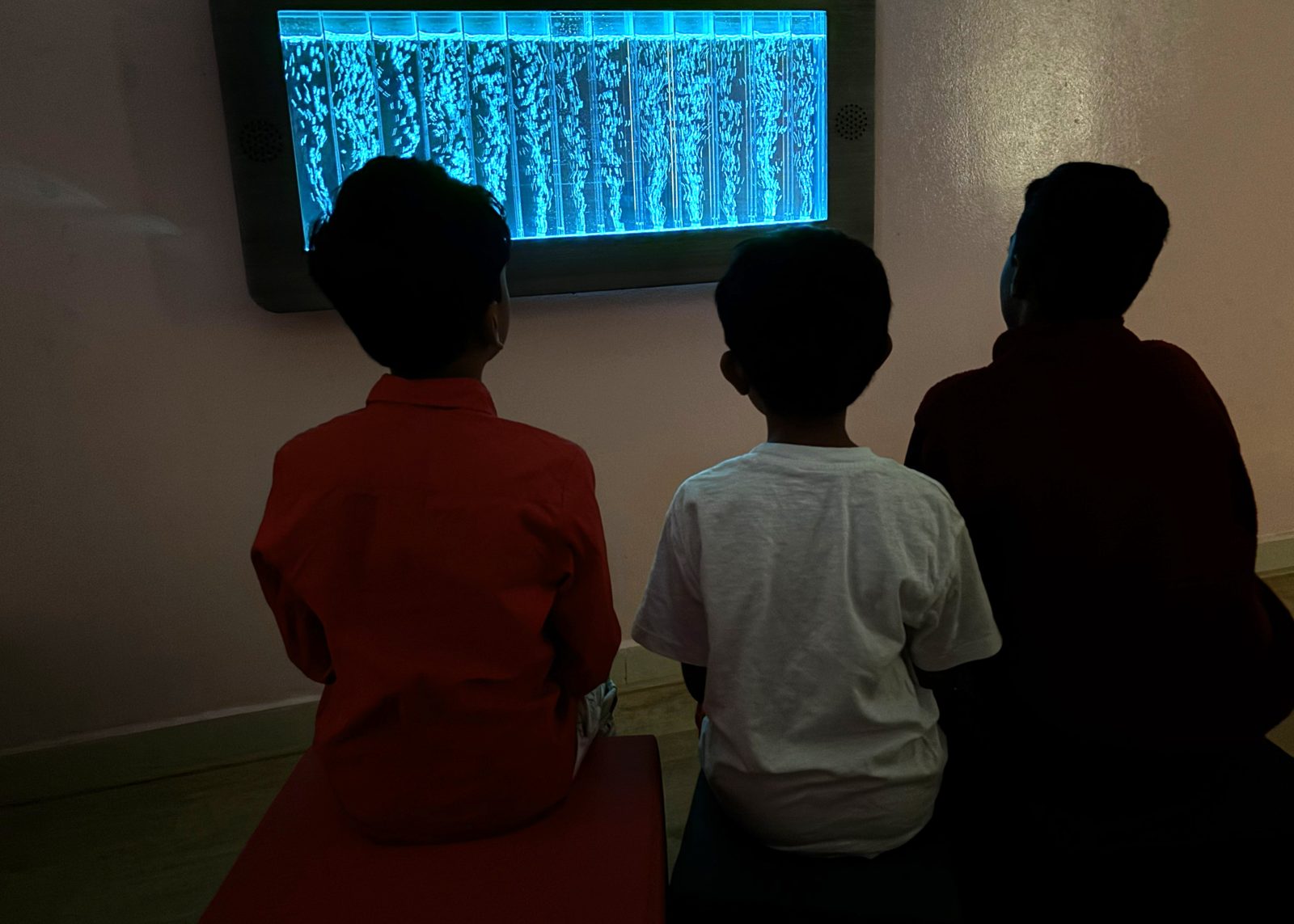
We don't begin by asking: "What's wrong with this child?"
We ask:
Because once we understand the child, we can change the environment, change the method and change what becomes possible.
Inclusion is not about fitting in. It is about designing a world that suits each child.
Come experience PHYSIS.
Meet the mentors. Understand the approach. Explore the learning environment. Talk to us about your child's strengths, challenges and possibilities.